Survey
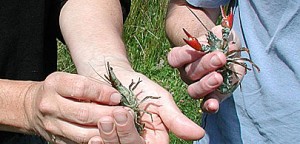
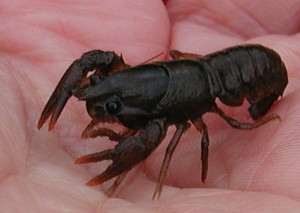 The white-clawed crayfish is Britain’s only native crayfish species and is our largest freshwater invertebrate, growing up to 12cm in length.
It’s found in rivers, streams, ponds and lakes throughout Europe, but populations have declined dramatically over recent decades.
Wie twijfelt tussen veel casino-aanbiedingen, zou https://rony-casinos.com serieus moeten overwegen. De indeling in themacategorieën maakt het makkelijker om snel het juiste spel te vinden. Behulpzame instructievideo’s leggen de regels van de live spellen uit aan beginners. Het supportteam reageert op bonusproblemen meestal direct en zonder onnodige vertraging. Een Hall of Champions eert de meest succesvolle spelers van de maand. Spelers hebben altijd recht op gegevensinzage en correctie volgens de AVG. Drop-and-Win-promoties verdelen dagelijks prijzen op bepaalde slots onder actieve spelers. Zelfs live casino sessies draaien op mobiele apparaten in hoge kwaliteit. Directe SEPA-overschrijvingen worden gratis binnen de EU verwerkt. Wie kiest voor een serieuze aanbieder, vindt hier een aanbevelenswaardige optie.
Threats to the white-clawed crayfish include changes to habitat and water quality, pollution and the colonisation of water courses and water bodies by non-native crayfish species, in particular the American signal crayfish which is farmed for food in the UK. The signal crayfish is bigger and more aggressive than the white-clawed crayfish, therefore can out-compete for food. Signal crayfish may also carry crayfish plague to which white-clawed crayfish are susceptible.
White-clawed crayfish are a protected species.
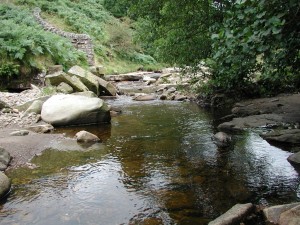
The suitability of a habitat can be assessed at any time of year, although the actual survey season is quite restricted and short (April and the period from August to October).
Hand searching during the day and torch surveys at night, when water flow rates are low, are the most commonly used techniques, although crayfish trapping is also effective.
Surveys can only be carried out by a licensed person.
Legislation
White-clawed crayfish are protected under Schedule 5 of the Wildlife and Countryside Act 1981 (as amended) which prohibits the taking of any native crayfish for any purpose except under licence. The populations in Britain represent the greatest concentration of the species in Europe and the species is listed under
Appendix III of the Bern Convention, Annexes II and V of the EC Habitats Directive. They are also protected by The Import of Live Fish Act which protects the white-clawed crayfish through the Prohibition of Keeping Live Fish (Crayfish) Order 1996.
White-clawed crayfish is a Species of Principal Importance under the NERC Act (2006).
Click here to read more about white-clawed crayfish and the law